EU Drinking Water Directive (DWD) Regulation — A New Era for Lead-Safe Plumbing Components
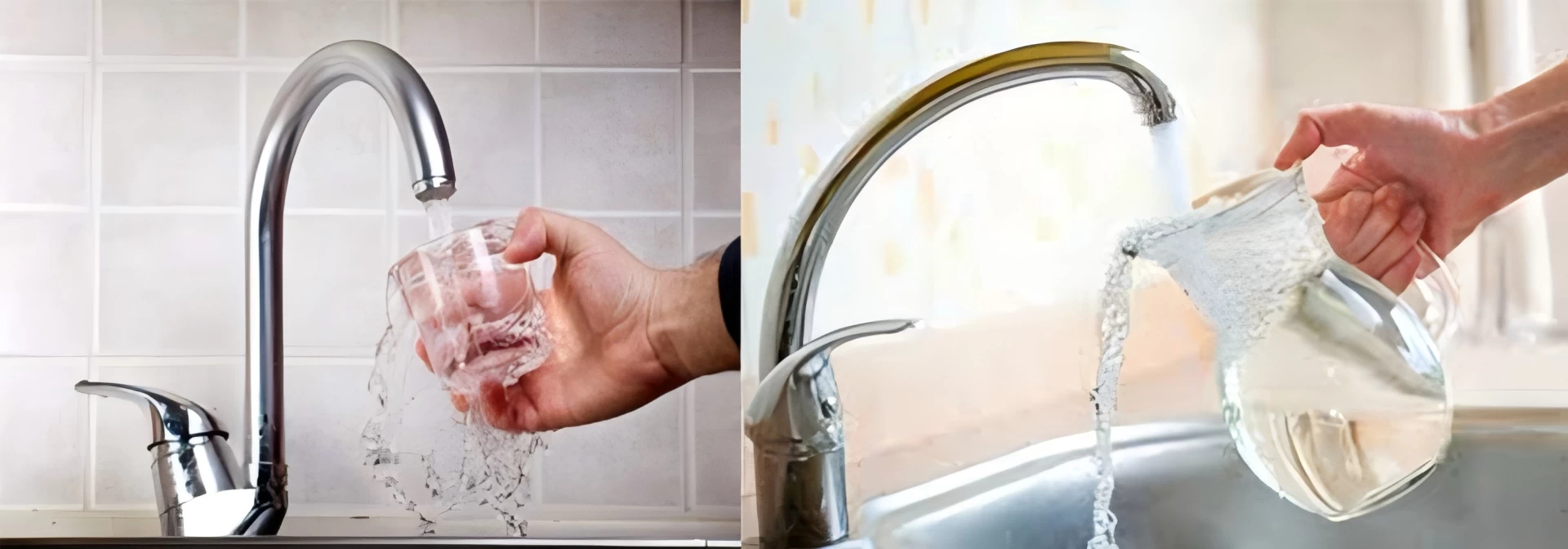
European Union has entered a new stage of public drinking water safety with the implementation of the revised EU Drinking Water Directive (DWD) 2020/2184, which began its transition period in 2021 and reaches full enforcement by January 2026. A key impact of this regulation is on plumbing products such as faucets, valves, fittings, mixers, and other materials in contact with potable water. Read more to learn all about it.
The new directive introduces strict health-based standards intended to better protect consumers from hazardous substances and ensure a safer water delivery system throughout Europe. One major focus is on material safety and migration limits, requiring all manufacturers to supply only products that appear on the Positive Lists and meet final test requirements.
A. What Has Changed Under the New DWD?
The updated DWD introduces:
| Key Change | Impact on Faucets & Plumbing Components |
| Mandatory material Positive Lists | Only materials approved for contact with drinking water can be used. |
| Stricter testing on metal, polymer, and cementitious materials | Requires certified laboratory testing and conformity assessment. |
| New migration limits for heavy metals (including lead, nickel, chromium) | Forces manufacturers to redesign alloy compositions and coatings. |
| EU-wide harmonized product approval | One unified system replaces country-by-country approvals. |
Based on the uploaded “DWD positive list” document
The directive identifies approved metallic alloys for plumbing products, establishing the allowable composition and requiring compliance before a product enters the EU market.
B. Why the DWD Matters
The new directive aims to:
* Reduce hazardous metal migration into drinking water.
* Enhance consumer safety and trust in potable water systems.
* Replace fragmented national regulations (e.g., KTW, WRAS, ACS, etc.) with one unified EU safety system.
* Ensure consistent quality across all member states.
* This presents significant responsibility for manufacturers: failure to comply means a faucet cannot legally be sold in any EU country.
C. Frequently asked questions about DWD (FAQ)
Q1: Is DWD Certification Mandatory?
Yes. It is a legal requirement in the EU and applies to all drinking-water-contact products.
Q2: Does DWD Replace Other Certifications Like WRAS Or KTW?
Yes. From 2033, DWD certification will replace all previous national drinking water approvals.
Q3: Are Plastic Components Tested Differently?
Yes. Plastics undergo additional migration and microplastic assessments.
Q4: What Happens If A Product Doesn’t Comply By 2033?
It cannot be legally sold, installed, or distributed in the EU.
D.Sunrinx: Ready to Supply DWD-Compliant Faucet Solutions
As the industry moves toward safer, fully regulated products, Sunrinx has already aligned manufacturing and material selection with the EU DWD Positive List requirements.
E. Sunrinx Capabilities in Compliance
* Use of DWD-approved copper alloys specified in the DWD Positive List.
* Low-lead, and lead-safe alloy development for potable applications.
* Formulation Review (full material transparency and safety assessment)
* Microbiological Tests
* Migration testing per the directive requirements.
* Restricted Substances Testing
* Documentation support for DWD compliance evaluation and CE drinking-water safety marking once available.
* Surface treatment & plating designed to minimize heavy-metal leaching.
DWD introduces one of the strictest drinking water safety frameworks globally, directly impacting manufacturers of faucet products. Sunrinx’s engineering team is actively monitoring the enforcement timeline and adjusting product design, material selection, and certification processes to ensure smooth importation and approval in the EU market by 2026.
F. What Products Can Sunrinx Provide?
* Basin & kitchen faucets (single-handle & dual-handle)
* Thermostatic mixers
* Commercial & residential valves
* Shower mixers & diverters
* Custom OEM/ODM potable-water components
All developed using DWD-approved alloys, optimized flow passage designs, and durable plating systems that reduce migration risk.
G. Conclusion
The EU’s new Drinking Water Directive marks the most significant regulatory shift in Europe’s plumbing industry in decades. As countries phase in the new rules and the full safety standard becomes mandatory in 2026, manufacturers must adapt quickly.
Sunrinx stands ready with compliant materials, certified production processes, and technical expertise to support European distributors, importers, and brands seeking DWD-ready faucet solutions.